While the COVID crisis continues, the slowdown in cases in the Western markets, largely as a result of the continuing vaccination drive, is having a clearly positive impact on sales and trade data.
While the COVID crisis continues, the slowdown in cases in the Western markets, largely as a result of the continuing vaccination drive, is having a clearly positive impact on sales and trade data.
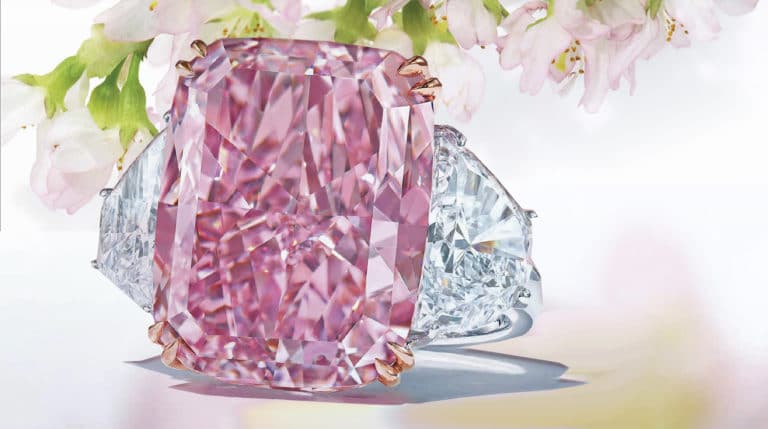
The Sakura, a 15.81-carat fancy color diamond, has been sold for $29.3 million in Hong Kong, making it the most expensive purple-pink stone ever to be sold at auction. A second piece, a 4.19-carat heart-shaped pink diamond ring, called “the Sweet Heart,” was sold for $6.55 million at the same sale.
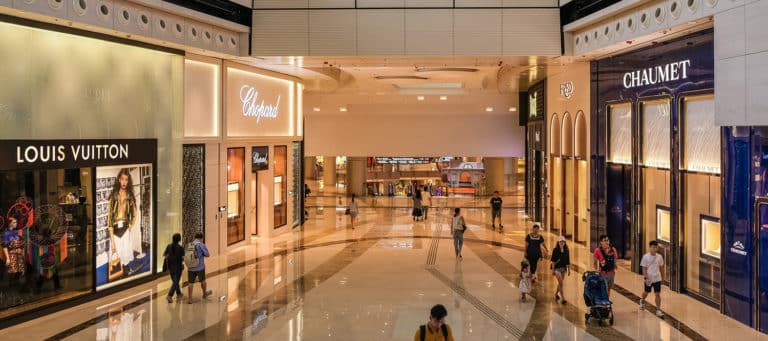
Following a year of economic and social turmoil unprecedented in recent history, the luxury market has started its path towards recovery. According to a just released report by the Milan-based luxury unit of Bain & Company, the markets returned to growth in the first quarter of 2021, increasing by up to 1 percent in volume versus the same quarter in 2019, which is viewed by the industry as the last comparable year.
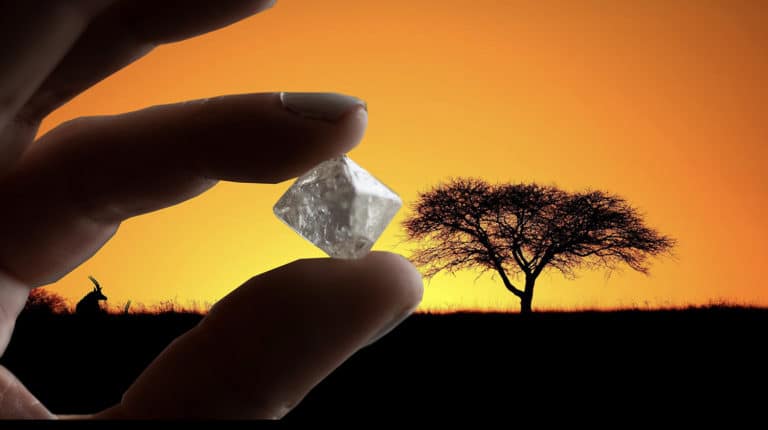
The sustainability of the diamond industry is once again under the microscope, in part because of the very public decision by Denmark’s Pandora fashion jewelry chain to forgo the use of mined diamonds in its product range, for reasons of environmental responsibility it claimed.

On April 29, the iconic American jewelry chain, Tiffany & Co., announced the debut of the Charles Tiffany Setting, its first men’s engagement ring. Featuring a solitaire diamond, the ring is named after the company’s founder Charles Lewis Tiffany, who in 1886 introduced of the women’s solitaire diamond engagement ring, the Tiffany Setting.
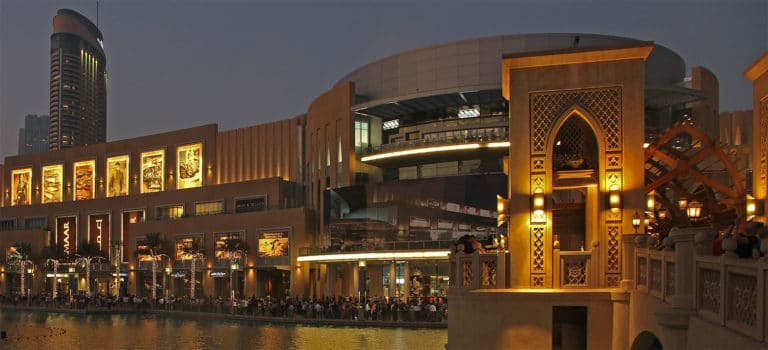
While the recovery of the Chinese market has garnered most analysts’ attention in recent months, a study by Bain & Co. has suggested that a revival of the luxury goods markets in the Arabian Gulf is also on the cards.
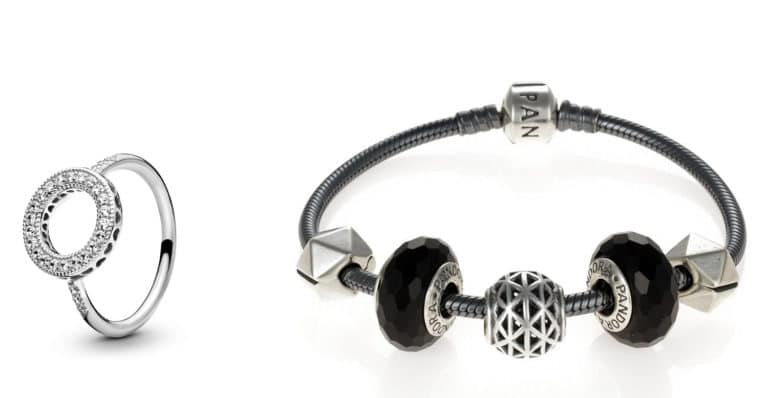
On April 4, in a well-coordinated mass media campaign, Pandora announced the launch of its first lab-created diamond collection. But it was the short sentence what was inserted at the end of the announcement that attracted the most attention. “Going forward, mined diamonds will no longer be used in Pandora’s products,” the company said.
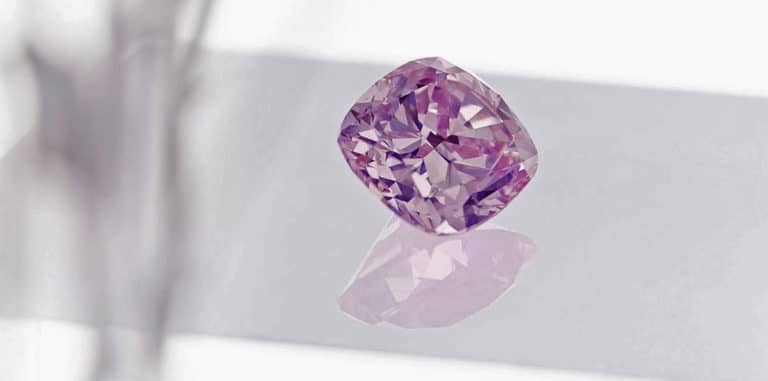
The New York-based Fancy Color Research Foundation (FCRF) has reported that prices of fancy color diamonds increased by 0.3 percent during the first quarter, with stones in the blue hue ranges rising by 0.5 percent in price and stones in the pink hue ranges increasing by 0.4 percent in price.
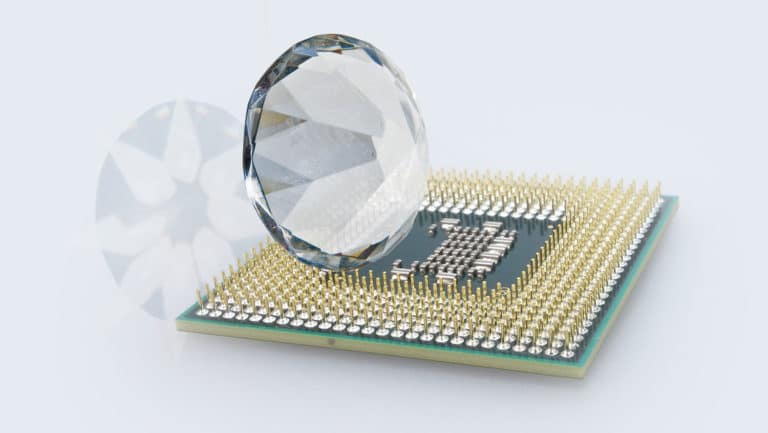
The Diamond Foundry, the Silicon Valley startup that produces laboratory-grown diamonds, has just been evaluated to be worth a staggering $1.8 billion, following a $200 million investment in the company by Fidelity Investments. The company intends using the funding to grow its operation, including expanding a factory in the northwest State of Washington to a production capacity of 5 million carats per annum.
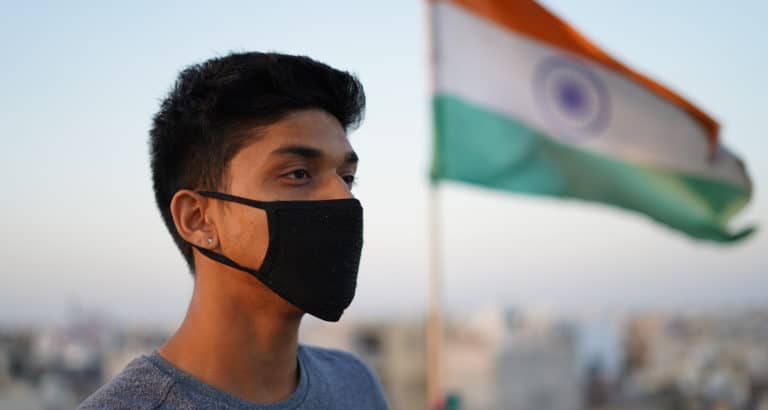
Some four weeks ago, Mumbai’s Bharat Diamond Bourse announced that it was ceasing regular operations “until further communication,” because the fast-mounting number of COVID-19 infections in the city. Members of the diamond trade were instructed to take their check books and other valuables, laptops and other necessary documents before vacating the premises.
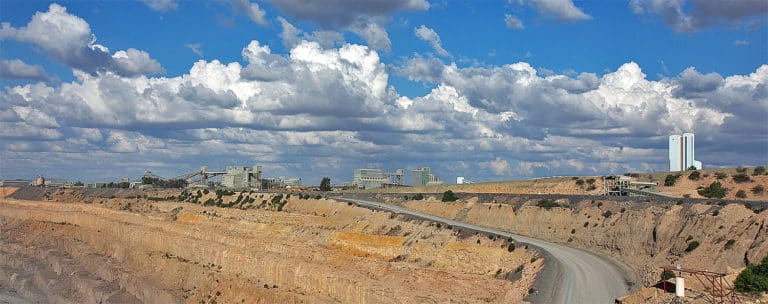
Debswana Diamond, the Botswana based diamond mining company owned jointly by De Beers and the government of Botswana, has announced a plan to invest $6 billion in building the world’s largest underground diamond mine at Jwaneng, located in the south of the country. The site is already home to the world’s richest diamond mine by value, an open-pit operation.
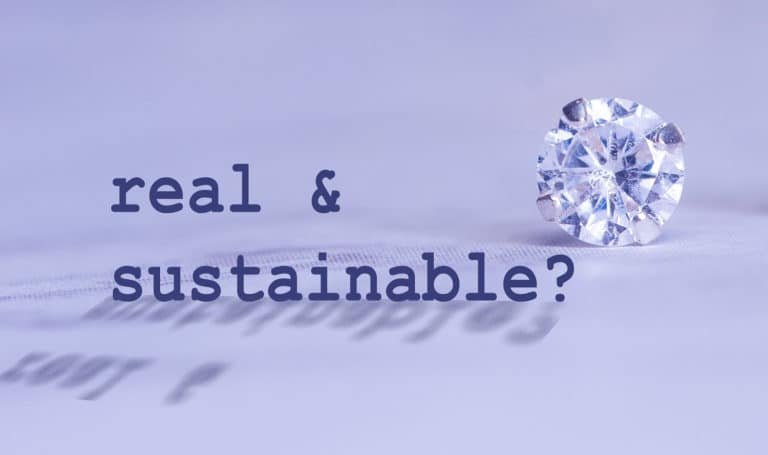
Just several weeks after publicly admonishing on the United States’s more prominent producers of laboratory-created diamonds, the National Advertising Division (NAD) of BBB National Programs, a prominent watchdog body, has turned its attention to the other side.
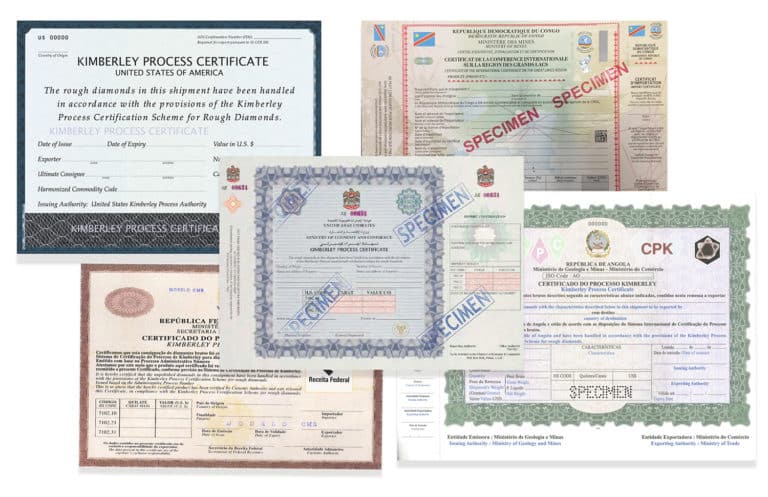
The evolution of Kimberley Process certificates, the documents issued by government-mandated authorities in an exporting country, attesting to the fact that a shipment of rough diamonds have not been associated with conflict, has created a situation whereby one country’s version is often markedly different from that of another.
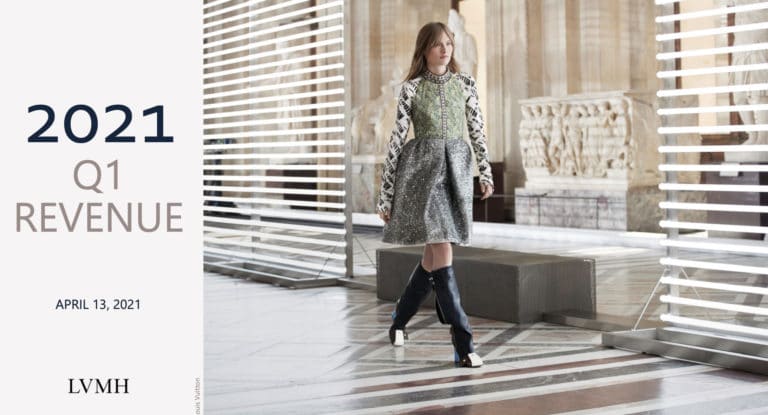
If there is one luxury product group that the diamond and jewelry industries should be keeping close tabs on as a market bellwether it is the Paris-headquartered LVMH. Comprising 75 fashion brands that collectively are involved in all five major sectors of the luxury market – wines and spirits, fashion and leather goods, perfumes and cosmetics, watches and jewelry and selective retailing, the group currently employs 150,000 people across the world and had reported sales worth 44.7 billion euro in 2020.
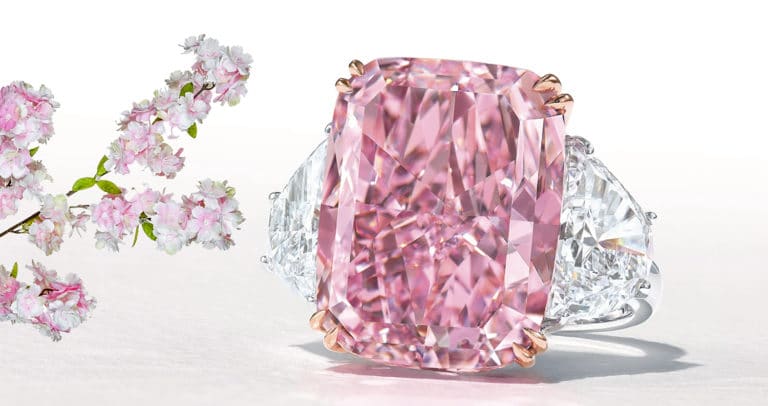
Spring in Japan brings with it the cherry blossom season, which moves from south to north across the island nation over a period of weeks, enveloping it in a sea of pink of various shades. With its flower petals known as “Sakura,” it has been celebrated worldwide and possibly is the most iconic symbol of the country and its culture.
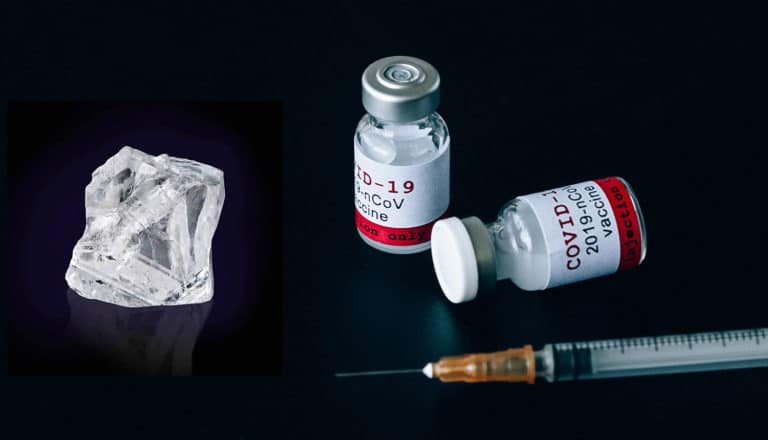
Spikes in COVID-19 infections in Western Europe and India have had the effect of dampening the recovery in rough diamond supply, as De Beers announced that it had 20 percent fewer rough diamond sales during its third sales cycle of 2021, compared to the second cycle of the year.

The issue of distinguishing laboratory-grown from natural diamonds has come under the spotlight once again, with the rapping over the knuckles of one of the United States’ more prominent lab-grown diamond producers by a prominent watchdog body, the National Advertising Division (NAD) of BBB National Programs.
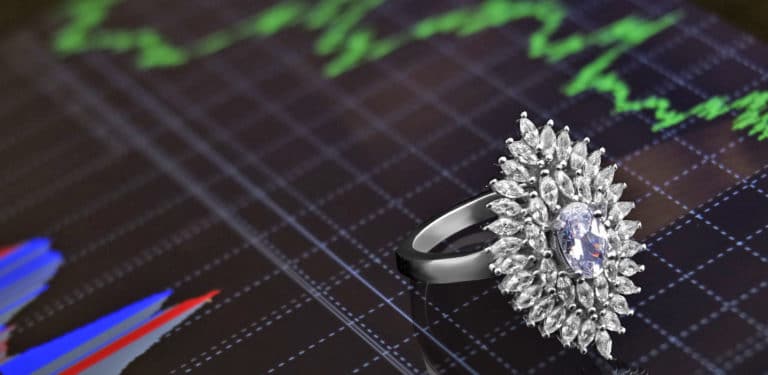
One of the more noticeable trends in the diamond market during the second half of 2020 was the strong performance of higher value goods. For some, the very fact that consumers were looking for expensively priced items in a pandemic with substantial economic consequences was counterintuitive, but it now appears that some consumers in the upper-earning percentiles may have been looking to jewelry as a hedge against financial catastrophe.
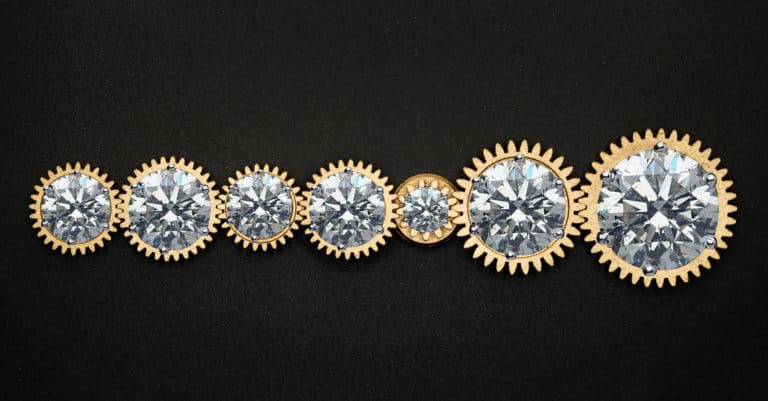
A survey of 5,000 American jewelry consumers conducted by 360 Market Reach on behalf of the De Beers Group has revealed that even as affluent consumers were purchasing more high-value natural diamond jewelry, they also were becoming increasingly aware jewelry set with laboratory-grown diamonds, and also were open to buying them. But they do not place the two products in the same category.
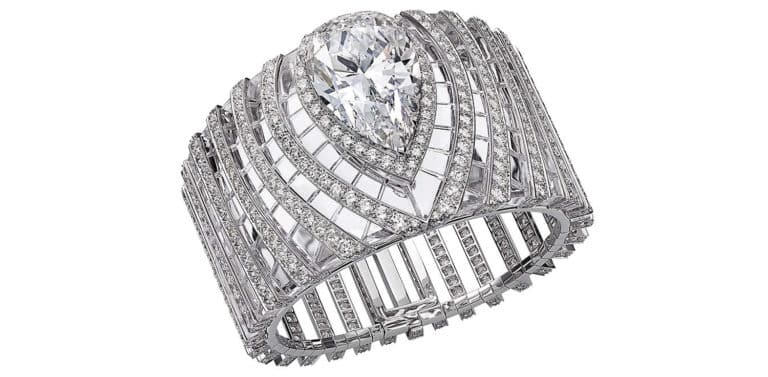
With April around the corner, the spring auction season is about to commence. Anticipation is high, at least when compared to, as it transpired, the somewhat unfounded sense of dread that preceded the auctions in 2020, at the start of the COVID crisis.
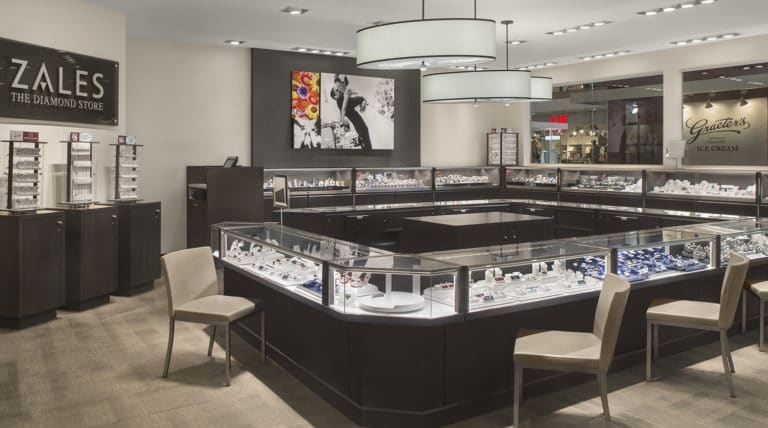
The COVID pandemic has proven to be a rollercoaster ride for the world’s largest specialty jewelry retailer, Signet Jewelers, the parent company of jewelry retail chains in the United States, United Kingdom and Canada, including Kay Jewelers, Zales, Jared, H. Samuel, Ernest Jones, Peoples Jewellers, Piercing Pagoda and the online James Allen brand.
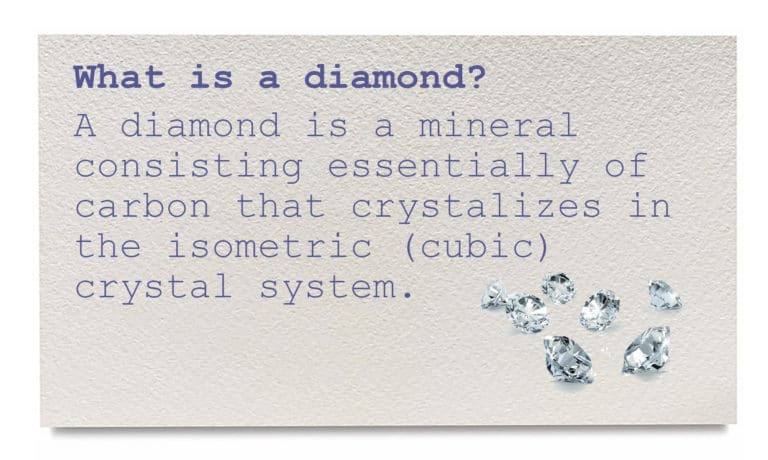
What is a diamond? There was a time when such a question would have been straight forward, but no longer. The wide-spread availability of laboratory-grown stones means that consumers today cannot automatically assume that the gem being offered to them, which is referred to a diamond, was mined from the earth or created in a factory.
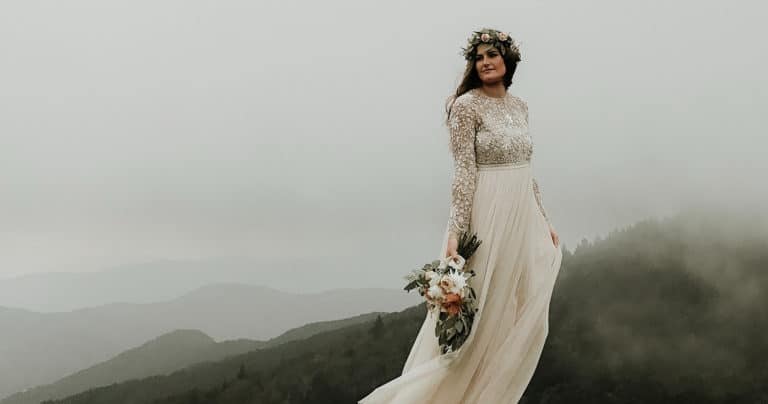
2020 proved to be a disaster for the diamond jewelry’s most important catalyst business sector, the wedding industry. According to The Knot, the respected publication, website and news source on all things matrimonial, COVID’s impact was so significant that most couples planning to marry were affected by the pandemic.
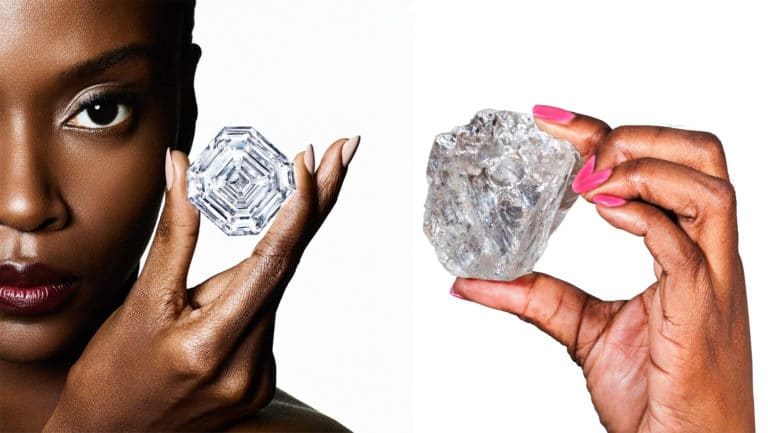
The generally optimistic note on which the world diamond industry has kicked off 2021 continues, both in the rough and polished markets. This is occurring during a period in which most of the world still remains heavily restricted by the COVID crisis. But infection rates are falling in most countries, and the increasing number of vaccinations being administered has provided many with a sense of confidence that the worse is behind them and a return to normality draws near.
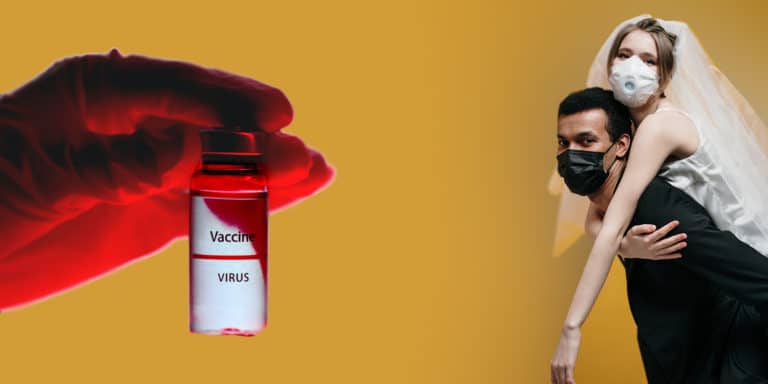
With COVID vaccination drives ramping up in countries around the world, and both infection and hospitalization rates dipping in many, if not all most regions, there seems to be a greater expectation that life and the economy are returning to a semblance of normal.